Restored Property Access
Reopen blocked driveways, side gates, and outdoor living spaces obstructed by fallen branches.
Complete post-storm cleanup, hung-up branch removal, and insurance documentation across Long Gully.
Clearing storm debris across Long Gully, Eaglehawk, Ironbark and Bendigo.
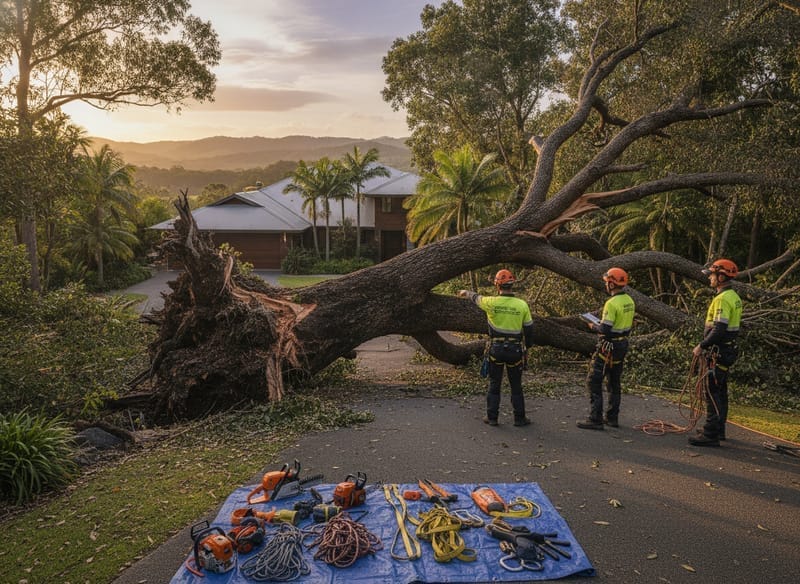
Severe weather fronts across Bendigo regularly leave broken canopies, sheared leaders, and fallen timber. Our storm damage tree removal Long Gully crew restores property safety quickly and thoroughly.
Severe spring storms—like the widespread October weather events that battered Greater Bendigo—saturate Long Gully's sodic soils. Once the upper soil softens, the combination of dense wood weight and high winds leads to extensive limb tearing and whole-tree failures across older suburbs.
Reopen blocked driveways, side gates, and outdoor living spaces obstructed by fallen branches.
Remove suspended broken limbs that threaten to fall in subsequent windy weather.
Get professional documentation and invoices formatted to meet insurer assessment criteria.
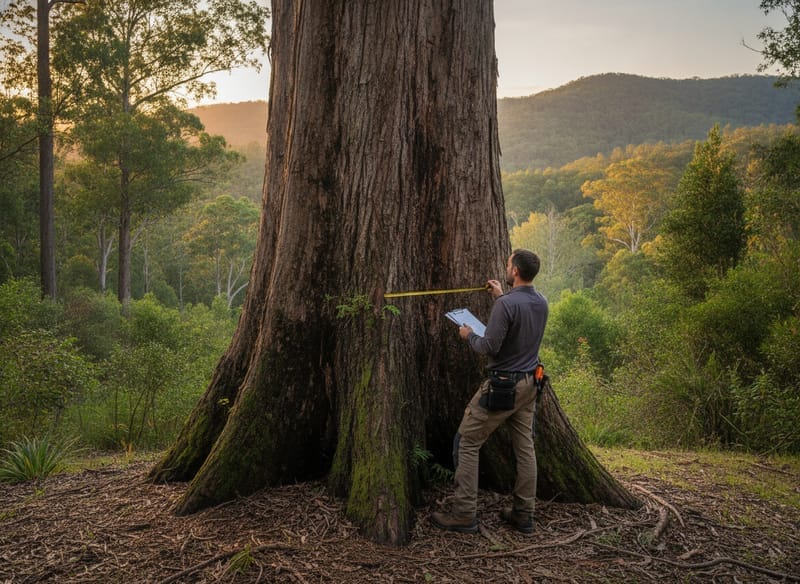
We evaluate all storm damage on your block, categorising urgent risks and general green waste.
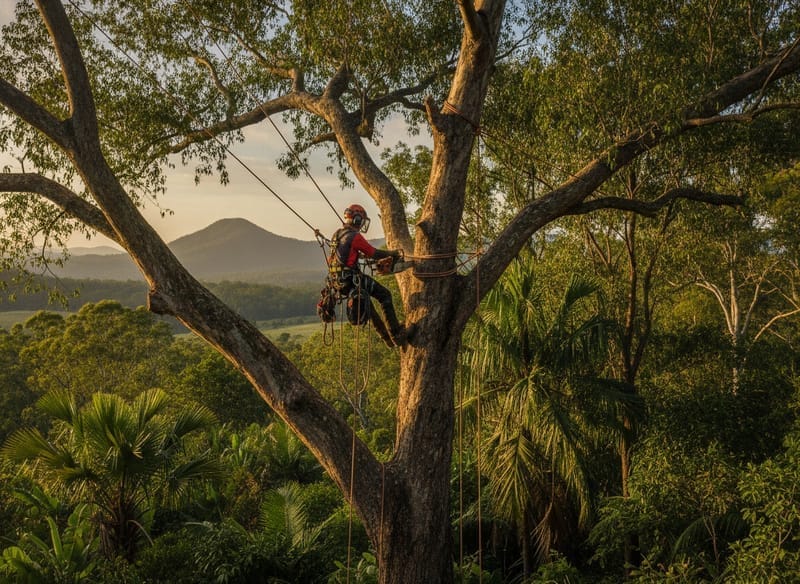
We tackle unstable, hung-up limbs and tensioned trunks resting on fences or outbuildings.
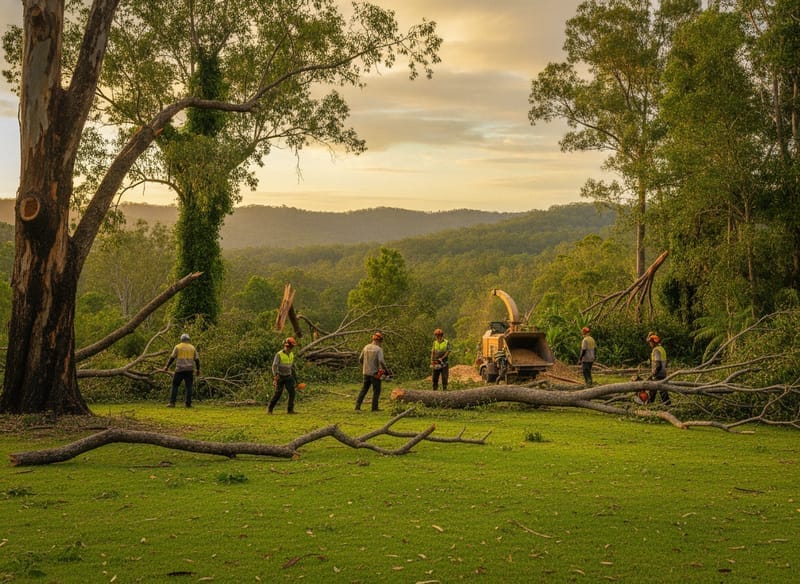
We cross-cut logs, run branch material through woodchippers, and rake yards clear.
We provide photographic records and detailed invoices for your insurance paperwork.
When severe weather hits the Bendigo region, the aftermath can leave your property unsafe, damaged, and completely inaccessible. From sudden summer squalls dropping heavy River Red Gum limbs to saturated winter soils causing whole-tree root plate failures, a fast and professional arborist response is critical. If you require immediate Storm Damage Tree Removal Long Gully property owners trust, our team is ready to secure your site safely. Long Gully's unique mix of historic residential blocks and bush-adjacent properties means storm damage often involves both massive exotic trees, like English Elms, and native canopy species like Red Ironbark and Grey Box. The region's shallow, stony Ordovician soils mean high winds can easily topple top-heavy trees once the ground is soaked. We provide immediate site triage, making safe any hazardous branches hanging over rooflines, driveways, and power lines, before executing a complete, methodical removal to restore your property.
Storm-damaged trees are incredibly unpredictable. A snapped Grey Box limb suspended high in a canopy or a heavily leaning Red Box with a lifted root plate holds immense, hidden tension. Attempting DIY clean-up with a hardware store chainsaw is a recipe for disaster. When tension is released incorrectly, large branches can violently snap back, or a heavy trunk can roll, causing catastrophic personal injury or further structural damage to your home. Rushing to hire unqualified operators with a ute and a chainsaw is equally risky. Under-qualified workers often lack the complex rigging knowledge required to dismantle a hung-up tree safely over a roofline. Furthermore, poor processing of damaged trees can tear bark down the trunk of adjacent retained trees, introducing decay and violating AS4373 pruning standards. Our qualified arborists approach every storm response methodically. We assess compression and tension woods before making a single cut. Using precise ropes, pulleys, and heavy plant where necessary, we safely dismantle fractured canopies and uprooted trunks. We also provide the detailed photographic evidence and itemised arborist reports required by your insurance company, ensuring a smooth, stress-free claims process.
Every storm recovery job requires a tailored approach to mitigate risk and safely dismantle compromised timber. Our Level 3 AQF climbing arborists utilise the following highly specialised methods.
Initial site assessment to tag immediate hazards. We secure split limbs, tape off drop zones, and clear critical access pathways and powerline feeds before commencing full tree dismantling.
Specialist chainsaw techniques applied to wind-thrown or snapped trunks. We accurately read the bind in the timber to prevent the chainsaw from jamming or the log from violently rolling during cross-cutting.
For trees snapped mid-canopy or hung up in adjacent trees, we deploy single-rope and double-rope climbing techniques. This allows us to access unstable crowns safely where elevating work platforms cannot reach.
When massive trees fail completely over heritage homes or tight side streets, we coordinate with local crane operators to lift multi-ton timber sections cleanly off the structure.
Large uprooted plates on shallow stony soils can unexpectedly fall back into the hole once the trunk weight is severed. We safely chock, sever, and winch the root ball to prevent soil collapse.
Navigating the aftermath of a severe weather event can be overwhelming. We have structured our emergency response to be as fast, safe, and transparent as possible. Step 1: Rapid Site Triage When you call us after a storm, we prioritise dispatch based on risk. We arrive on-site to identify immediate hazards—such as trees resting on structures or blocking roads—and formulate a clear emergency make-safe plan. Step 2: Insurance Documentation Before we move a single branch, our team takes comprehensive time-stamped photographs of the damage. We provide an itemised, written quote detailing the required works, tailored specifically for direct submission to your insurance provider. Step 3: Make-Safe and Dismantling Using specialised rigging, EWPs, or rope access, our arborists carefully dismantle the broken or uprooted timber. We focus on relieving tension safely and lowering heavy wood to the ground without causing secondary damage to your property. Step 4: Processing and Debris Removal Once the hazard is on the ground, our ground saws and heavy-duty chippers process the canopy. We remove all timber, chip the brush, and rake the site clean. Step 5: Follow-up Assessment We visually assess surrounding trees for hidden wind-shear damage or twisting that may pose a delayed risk, ensuring your property is completely secure.
Storm recovery work is high-risk, and strict compliance with Australian Standards is non-negotiable. Our crews operate under AS4373 for any remedial canopy work required on adjacent damaged trees, ensuring clean cuts that prevent decay.
Our team is fully insured for public liability and WorkCover, giving you total peace of mind when heavy timber is suspended over your home. Our on-site operators hold AQF Level 3 in Arboriculture, High Risk EWP tickets, and specialist tree-felling qualifications. For insurance claims requiring structural assessment, our AQF Level 5 consulting arborists provide comprehensive reports to justify emergency works to the City of Greater Bendigo and your insurer.
Executing Storm Damage Tree Removal Long Gully requires deep local knowledge of Bendigo's unique environment. This suburb sits on tough Ordovician sandstone and heavy sodic soils with very low permeability. When our 500mm annual rainfall arrives in concentrated bursts, the shallow root systems of top-heavy Ironbarks and mature English Elms simply let go. Access can also be challenging due to narrow side streets and the ever-present risk of historical, capped mining shafts under older residential blocks, which dictates where we can safely site heavy tippers and wood chippers. Legally, emergency work to remove an immediate risk to life or property is generally exempt from City of Greater Bendigo planning permits. However, if a tree is only partially damaged, you must navigate local rules. This includes Clause 52.37 for canopy trees on boundaries, the Significant Landscape Overlay (SLO1) for native vegetation, and site-specific Heritage Overlays that heavily protect Bendigo's exotic streetscapes. We guide you through all council compliance.
Once the immediate storm damage has been cleared, property owners should closely monitor the surrounding retained trees. Extreme winds can cause hidden structural fractures, known as wind shear, which may take weeks to manifest as dying foliage or slowly drooping branches. Keep an eye on the soil around the bases of your remaining trees; noticeable heaving, fresh cracks in the dirt, or lifted turf indicates a destabilised root plate. If you notice split limbs, unusual canopy thinning, or newly leaning trunks, call our team back for a proactive inspection. Scheduling an annual pre-summer canopy check is your best defense against future storm failures.
Storm damage tree work pricing in Long Gully varies according to the scale of debris, tree sizes, and complexity of rigging.
We offer clear, honest quotes with transparent pricing and full support for insurance documentation.
We clear storm-damaged trees and debris across Long Gully and neighbouring Bendigo communities.
Contact our experienced arborists for safe storm cleanup, hung-up branch removal, and insurance support.
Request Storm Cleanup